How to Choose Polyester Woven Fabric for Your Garment Brand: A Practical Buyer's Guide
Polyester woven fabric is a synthetic apparel fabric made by weaving polyester (and often nylon) filament or spun yarns into a stable, durable cloth used for jackets, shirts, dresses, linings, sportswear and workwear. Choosing the right one is less about picking a "good" fabric and more about matching composition, weight, weave and finish to your product. This guide walks through the decisions in the order a professional sourcing team makes them.
1. Start With the End Use, Not the Fabric Name
Before you look at fabric names, define the garment: What is it — outerwear, lining, dress, sportswear? What season and price point? What performance does it need — water resistance, breathability, stretch, wind-proofing? Every later decision follows from this. A down jacket shell and a summer dress lining can both be "polyester woven," yet share almost nothing else.
2. Composition: Polyester, Nylon, or a Synthetic Blend
For garment woven fabrics, the two workhorse synthetic fibers are polyester and nylon (polyamide).
Polyester holds color and print well, resists shrinking and wrinkling, and is cost-efficient — the default for most apparel woven fabric. Nylon is stronger and more abrasion-resistant with a softer, silkier hand, often chosen for lightweight outerwear and premium linings. Many fabrics combine them, or add a small amount of spandex for stretch — see what 5% spandex actually does in a woven. If sustainability is a requirement, both are available as recycled (GRS) polyester and nylon.
3. Weight (GSM) and Width
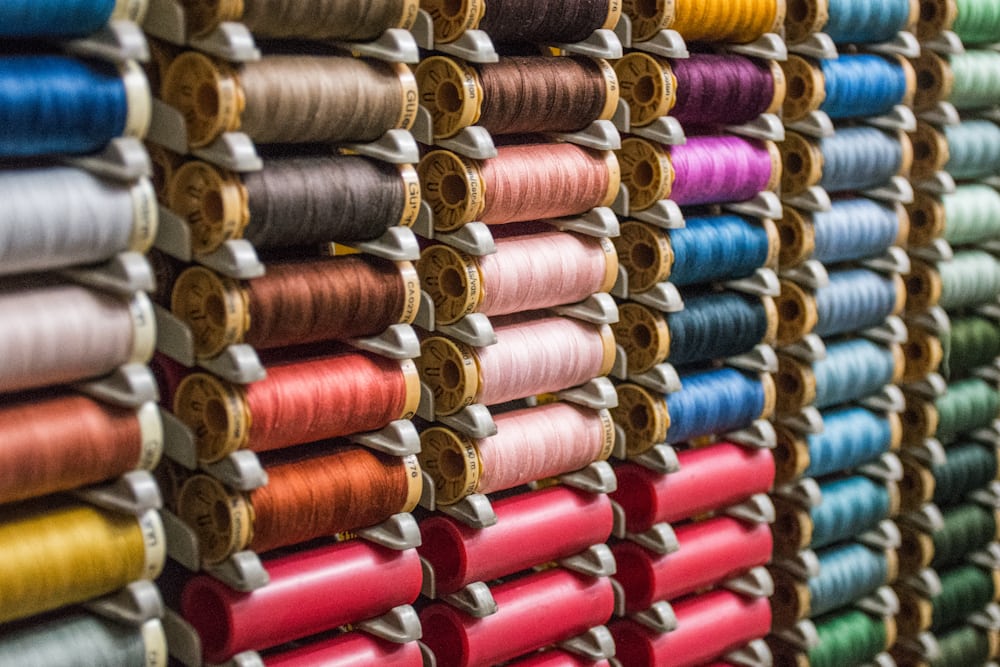
Weight is expressed in GSM (grams per square meter) and is one of the first things to lock down, because it drives both hand-feel and price.
Always confirm width too (commonly 145–150 cm), as it affects fabric consumption and cost per garment.
4. Weave and Fabric Type: A Quick Map
The "fabric name" usually describes a weave or construction. Here is a quick orientation for common polyester/nylon wovens:
| Fabric | Typical Character | Common Use |
|---|---|---|
| Taffeta | Smooth, crisp, lightweight | Linings, light jackets |
| Pongee | Soft, fine, versatile | Jackets, dresses, linings |
| Oxford | Basket-weave, sturdy | Bags, outerwear, workwear |
| Satin | Lustrous, fluid drape | Dresses, eveningwear |
| Peach Skin | Brushed, soft "peach" hand | Dresses, casual wear |
| Memory | Holds shape/creases | Fashion outerwear |
| Softshell / bonded | Warm, layered | Functional outerwear |
| Taslon / 4-way stretch | Durable / stretch | Sportswear, activewear |
5. Finishes and Functions
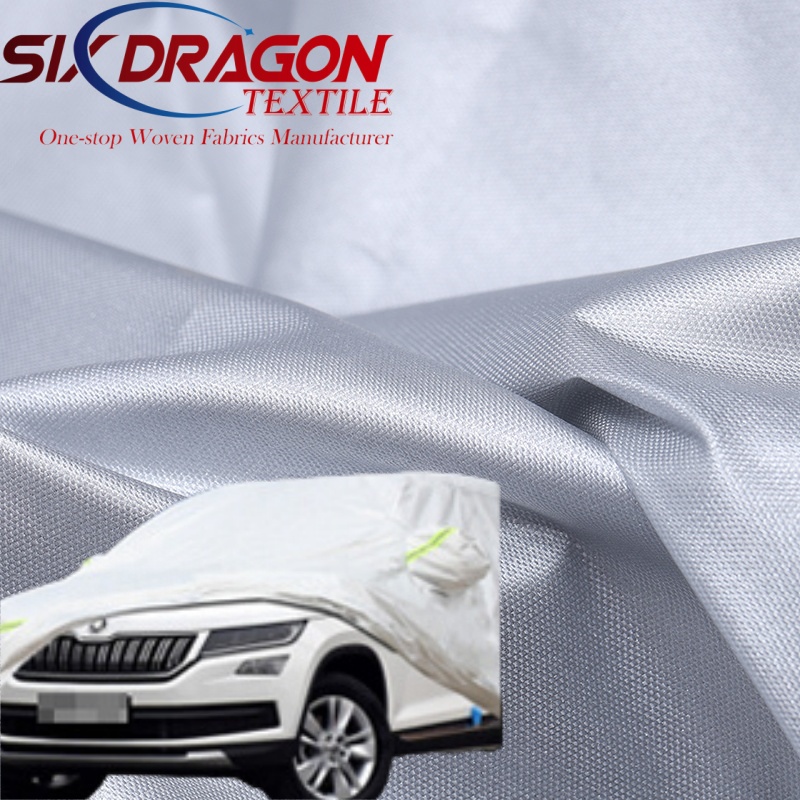
Finishing is where a plain woven becomes a performance fabric: waterproof / water-repellent (measured by hydrostatic head), coating (PU, PA, silver), bonding / lamination for warmth or membranes, plus breathable, wicking, down-proof or anti-UV treatments. If your brand or market restricts PFAS, ask specifically for fluorine-free (PFAS-free) water-repellent options, which are widely available today.
6. Dyeing vs Printing
Solid (piece) dyeing gives you one uniform color and is ideal for solid-color styles. Printing — transfer or digital — puts patterns onto the fabric; digital printing in particular allows smaller runs and fast design changes, which suits seasonal and trend-driven collections. Your choice affects minimums, cost and lead time, so decide it early.
7. Certifications and Testing
For brand and compliance work, confirm what documentation a supplier can provide. Common references for synthetic apparel fabric include GRS (for recycled content), OEKO-TEX Standard 100 (for restricted substances), and third-party test reports from SGS or BV for properties such as color fastness, tensile strength and water resistance. Ask whether inspection follows the American Four-Point system and whether goods are 100% inspected before shipment.
8. MOQ, Sampling and Lead Time
Finally, align commercial terms with your order size. Minimums vary by whether greige (base cloth) is in stock, and by dyeing vs printing.
Have a fabric spec that crosses composition, GSM, weave and finish in one brief? Send us the details — we typically reply with a matched fabric option and initial quotation within 2 hours.
Working with Six Dragon Textile
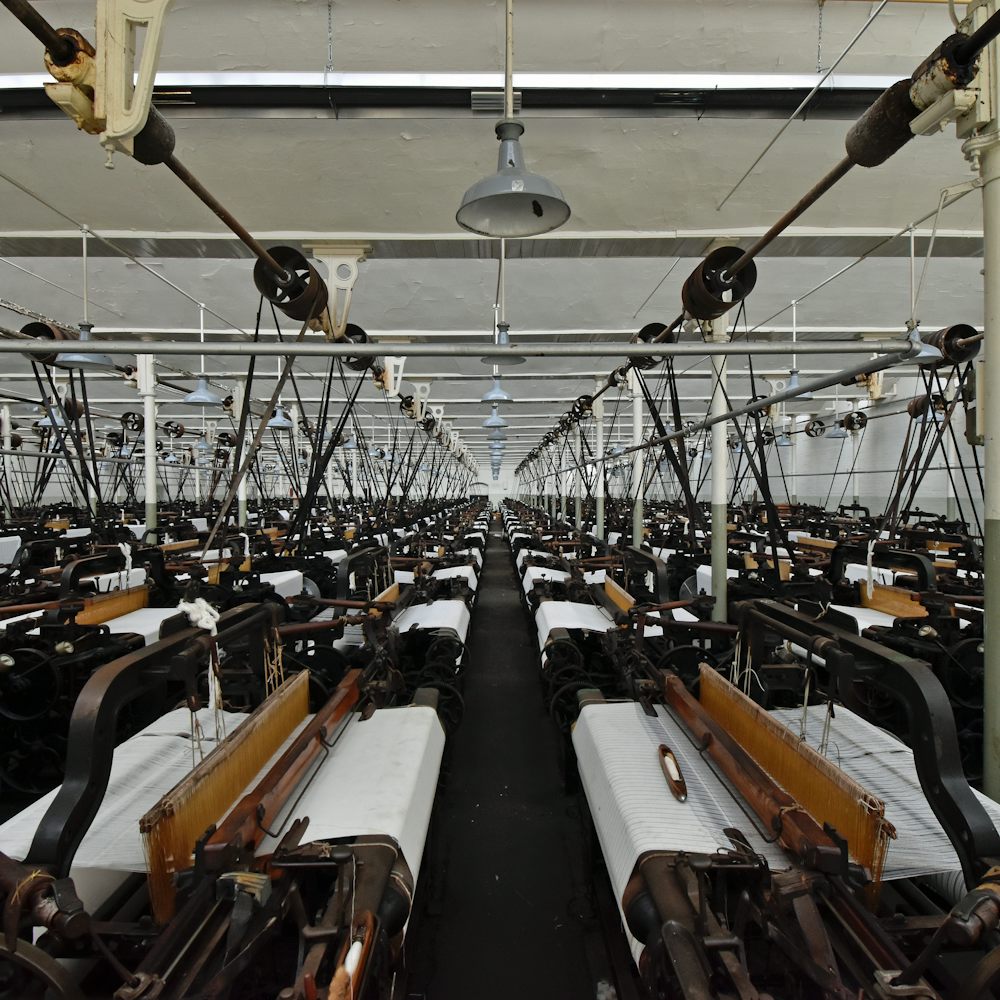
Six Dragon Textile is an integrated manufacturer and supplier of mid-to-high-end polyester and nylon woven garment fabrics. We weave in-house on 200 water-jet and air-jet looms and work with long-term partner dyeing and printing mills, coordinating the full development-to-delivery process. Our founder has been in the textile industry since 2007, and our core merchandising and QC staff carry 18+ years of experience.
We offer OEM & ODM customization, free counter samples in 2–5 working days, and an initial quotation within about 2 hours.
Have a project in mind? Send us your fabric specifications or a reference sample. Email gm@sixdragontextile.com or reach out via our inquiry page.
Quick Reference
- Focus: Polyester & nylon woven fabrics only
- Weaving: 200 in-house looms (Toyota & Tsudakoma)
- Dyeing & printing: long-term partner mills
- MOQ: From 3,000 m (greige in stock)
- Lead time: 15–25 days (in stock) / 45–55 days (weaving required)
- QC: 100% inspected, American Four-Point system available