Leading High-end One-stop Woven Fabrics Manufacturer
Language:

Fabric Knowledge
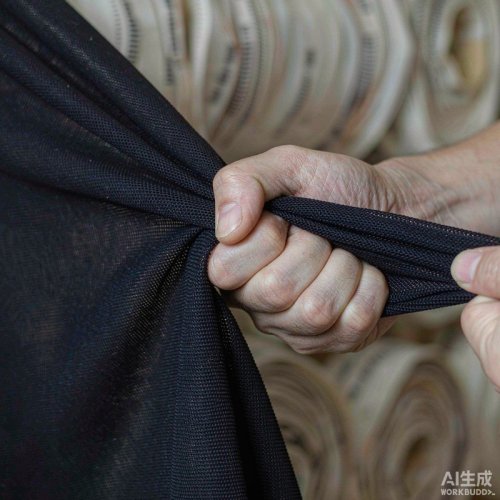
 Mechanical Stretch vs Spandex Stretch in Woven Fabrics: A Practical ComparisonSep 18,2026In woven fabric sourcing, 'stretch' gets used loosely. Mechanical stretch uses engineered yarn or weave geometry with no spandex in the fabric. Spandex stretch uses elastane in the warp and/or weft, with stronger 2-way or 4-way behavior. This guide compares the two paths on stretch direction, magnitude, recovery, heat-setting tolerance, dye compatibility, and cost, and gives a 5-question decision checklist for the next garment spec on polyester or nylon wovens.
- Is 95% Polyester 5% Spandex Stretchy? What 5% Spandex Actually DoesAug 28,2026Yes — a 95/5 poly-spandex woven gives comfort stretch, not compression: 2-way (weft) give, light shaping, and recovery from fresh greige plus two-stage heat-setting. When to choose a higher spandex share instead.
- What Is 4-Way Stretch Fabric, and Can a Woven Really Be 4-Way?Aug 28,20264-way stretch means elastane in both warp and weft - and yes, a woven can be true 4-way. Learn the 2-way vs 4-way difference, woven vs knit shape retention, heat-setting discipline, and how to spot a high-stretch substitute before you commit.
- How to Choose Polyester Woven Fabric for Your Garment Brand: A Practical Buyer's GuideAug 14,2026A practical guide to choosing polyester and nylon woven fabric for apparel: composition, GSM, weave types, finishes, dyeing vs printing, certifications, MOQ and lead time.
- Polyester Taffeta Fabric: A Versatile Textile King, the Cost-Effective Benchmark Empowering Thousands of IndustriesDec 2,2025People talk a lot about Polyester Taffeta in the textile. It's an all-purpose fabric that covers everything from clothing to home furnishings, outdoor gear, and industrial uses. This versatility is largely due to its 100% polyester fiber composition, classic plain weave, and overall practicality.
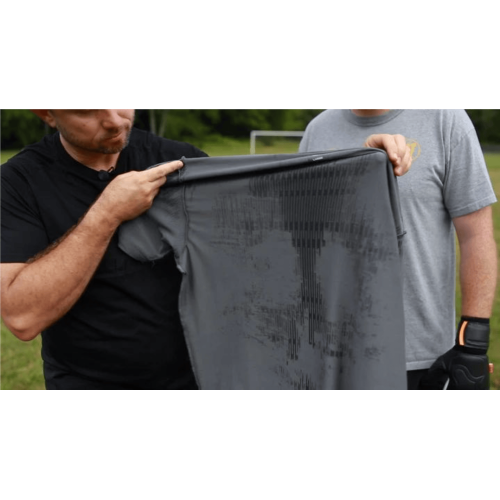
- How is moisture-wicking performance achieved?Oct 7,2025Moisture-wicking textile products are a rapidly developing category of functional textiles in recent years, especially becoming a highlight in the market and consumer preferences for sports, leisure, outdoor, and travel apparel. So how do fabrics achieve moisture-wicking functionality? The principles can be explored from the aspects of fibers, weaving, and fabric structure.
- The Difference Between Full Process and Semi-Process in Textile ProcessingJul 21,2025The semi-process involves limited pre-treatment steps, often leading to uneven dyeing, lower color saturation, and reduced durability, which may disappoint consumers. The full process encompasses every necessary step, including pre-treatment, dyeing, printing, and finishing, resulting in vibrant colors, enhanced durability, and improved aesthetics. Key techniques like singeing and mercerizing further elevate the quality of textiles produced through the full process.
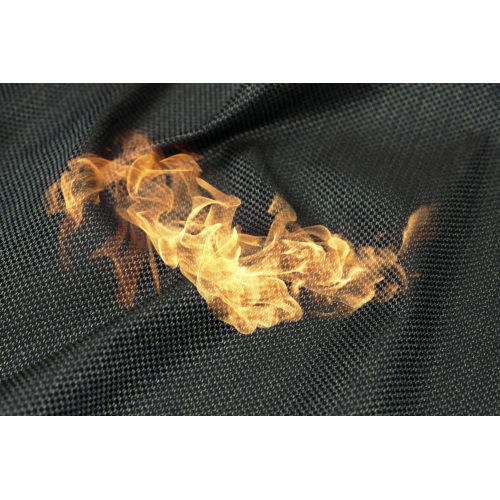
- Discover the Secrets Behind Flame Resistant Fabrics: Your 2025 Ultimate Guide to Safety and PerformanceJun 3,2025Flame-resistant (FR) fabrics are essential for worker safety in high-risk industries like oil & gas, electrical, and mining. This 2025 guide explores the latest advancements, compliance standards, and procurement strategies to help businesses make informed decisions.
- WHY ARE CLOTHES PILLING?Nov 22,2024Fabric pilling is a common issue during the use of textiles, particularly noticeable in everyday clothing and home goods. Pilling not only affects the appearance of the fabric but can also decrease its comfort and lifespan. This article will explore the reasons for fabric pilling, including fiber characteristics, fabric structure, washing methods, and usage practices.
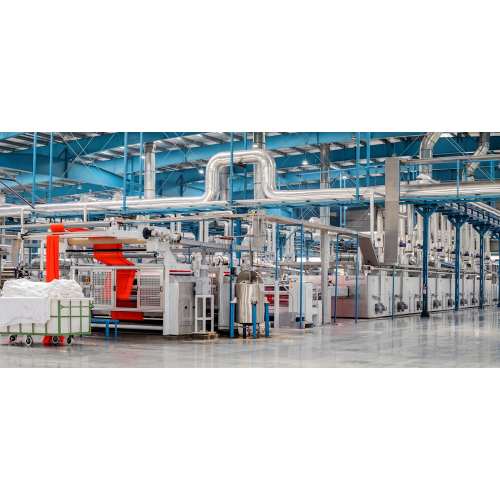
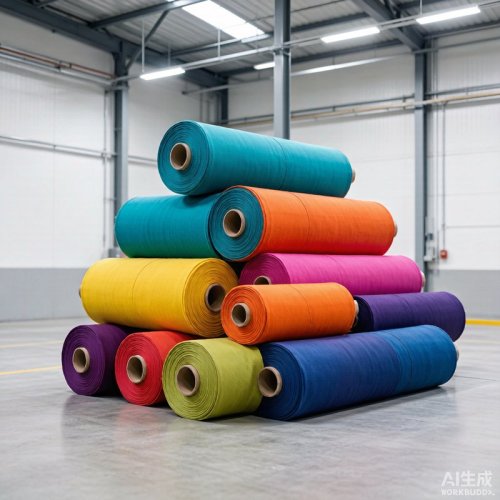
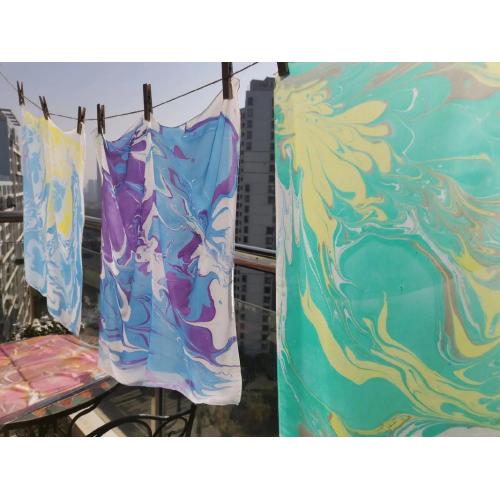
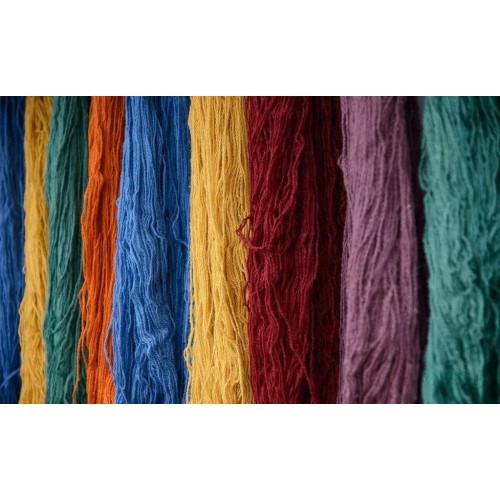
- After reading this article, you will understand the process of fabric dyeingNov 20,2024Fabric dyeing is an indispensable process in the textile industry. It not only affects the aesthetic quality of the finished product but also directly relates to its overall quality and market competitiveness. The entire fabric dyeing process can be divided into five main stages: preparation, dyeing, post-treatment, quality inspection, and packaging and storage. These interlinked stages form a systematic dyeing procedure.
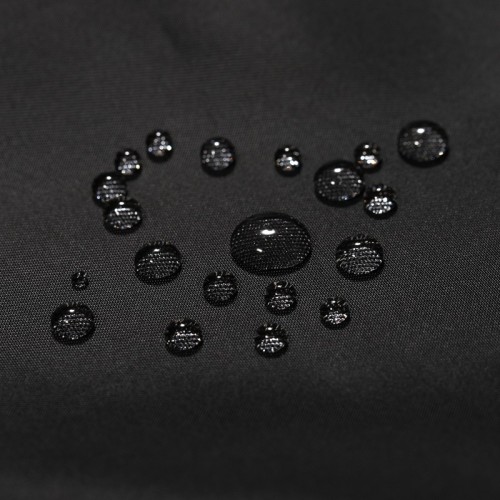
- Waterproof Polyester FabricNov 13,2024Waterproofing in textiles refers to the process of making fabric resistant to the penetration of water, thereby preventing moisture from passing through the material. This treatment is essential in various industries such as outdoor gear, sportswear, and protective clothing to ensure that the wearer remains dry and comfortable even in wet conditions
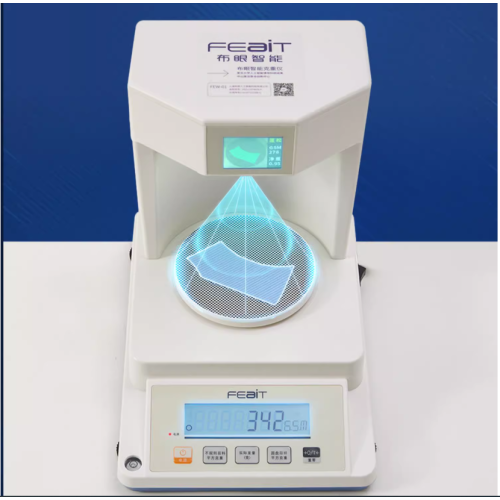
- GSM of FabricNov 12,2024GSM, which stands for Grams per Square Meter, is a crucial metric used in the textile industry to measure the weight of a fabric per unit area. It provides vital information about the density and thickness of the fabric, allowing manufacturers and professionals to understand its quality and performance characteristics.
Blog group
Are you looking for a reliable manufacturer of garment woven fabrics?
We can quickly provide customers with market analysis, technical support and customized services.Subscribe to Get Latest Updates
Contact Person
Please send your message to us
Join us now and get free samples of SixDragon
- *Name
- *Phone
- *Title
- *Content