Ends, Picks and Denier: Converting Yarn Count and Thread Density into Fabric Weight in Woven Polyester and Nylon
A taffeta quoted at 300T can weigh 60 grams per square metre or 75, and both figures can be correct. Thread density only predicts weight when it travels with yarn size, and only predicts performance when it travels with the weave. This article connects the three: ends and picks, denier, and the grams per square metre that follow from them.
Density Without Yarn Size Is Half a Specification
Ends per inch and picks per inch describe how many yarns sit across and along the cloth. They say nothing about how thick those yarns are. A 100 by 90 sett in 75 denier and the same sett in 150 denier are different fabrics: nearly double the yarn mass, a firmer hand and a different price.
The unit for filament yarn is denier — grams per 9,000 metres — and it is covered in detail in our guide to reading a filament yarn specification. Density times denier is what turns a thread count into a weight, and the arithmetic is short enough to run on the back of an order sheet.
From Ends, Picks and Denier to Grams per Square Metre
Each square metre carries the warp ends that cross it and the weft picks that lie within it. Working per inch: weight in grams per square metre is approximately 0.0044 multiplied by the sum of ends per inch times warp denier and picks per inch times weft denier, with a crimp allowance added for the extra yarn length taken up by interlacing.
Crimp runs roughly three to eight per cent on a plain weave and less on a long-float twill, and it is confirmed per construction rather than assumed. The same arithmetic runs backwards: take the target weight from our guide to specifying fabric weight, fix a denier, and the formula returns the sett that will hit it.
A Worked Example: Reading a 210T Taffeta
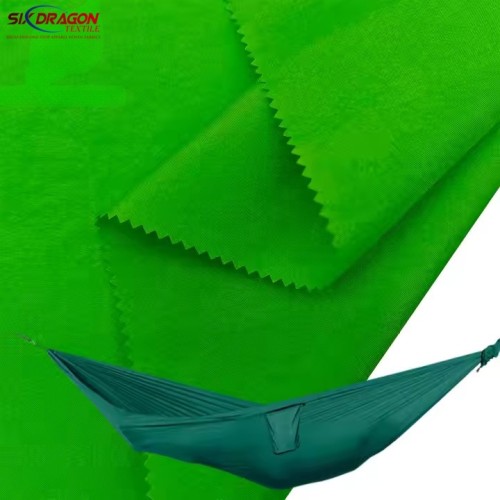
Taffeta is quoted in T — total threads per inch, warp plus weft combined. A 210T taffeta might be set 118 ends by 92 picks. In 75 denier both ways the formula gives 0.0044 times 118 plus 92, times 75: about 69 grams per square metre, rising to roughly 72 once crimp is added.
The trap sits in the convention. The same 210T could be split 150 by 60, which changes weight, cover and hand while leaving the headline number untouched. Thread count is a summary, not a specification, and the split — like the constructions compared below — is what the order sheet actually needs.
| Construction | Sett, ends x picks per inch | Yarn | Calculated weight | Geometric cover | Character |
|---|---|---|---|---|---|
| 190T plain taffeta | 110 x 80 | 75D both ways | about 62 gsm | about 67% | Soft, economical shell and lining weight |
| 210T plain taffeta | 118 x 92 | 75D both ways | about 69 gsm | about 72% | Standard taffeta shell |
| 300T plain pongee | 177 x 123 | 50D both ways | about 66 gsm | about 80% | Denser and crisper, more wind-resistant |
| 380T plain | 224 x 156 | 40D both ways | about 67 gsm | about 87% | Very dense, a natural down-proof base |
| 2/2 twill | 130 x 70 | 150D both ways | about 132 gsm | about 90% | Heavier apparel twill with soft drape |
Calculated weights exclude finish add-on, and the cover column ignores yarn flattening, so both are working estimates rather than promises. The figures still rank the constructions correctly, and the ranking is what matters when a quotation has to be compared against another.
What Reed Count Actually Means on the Order Sheet
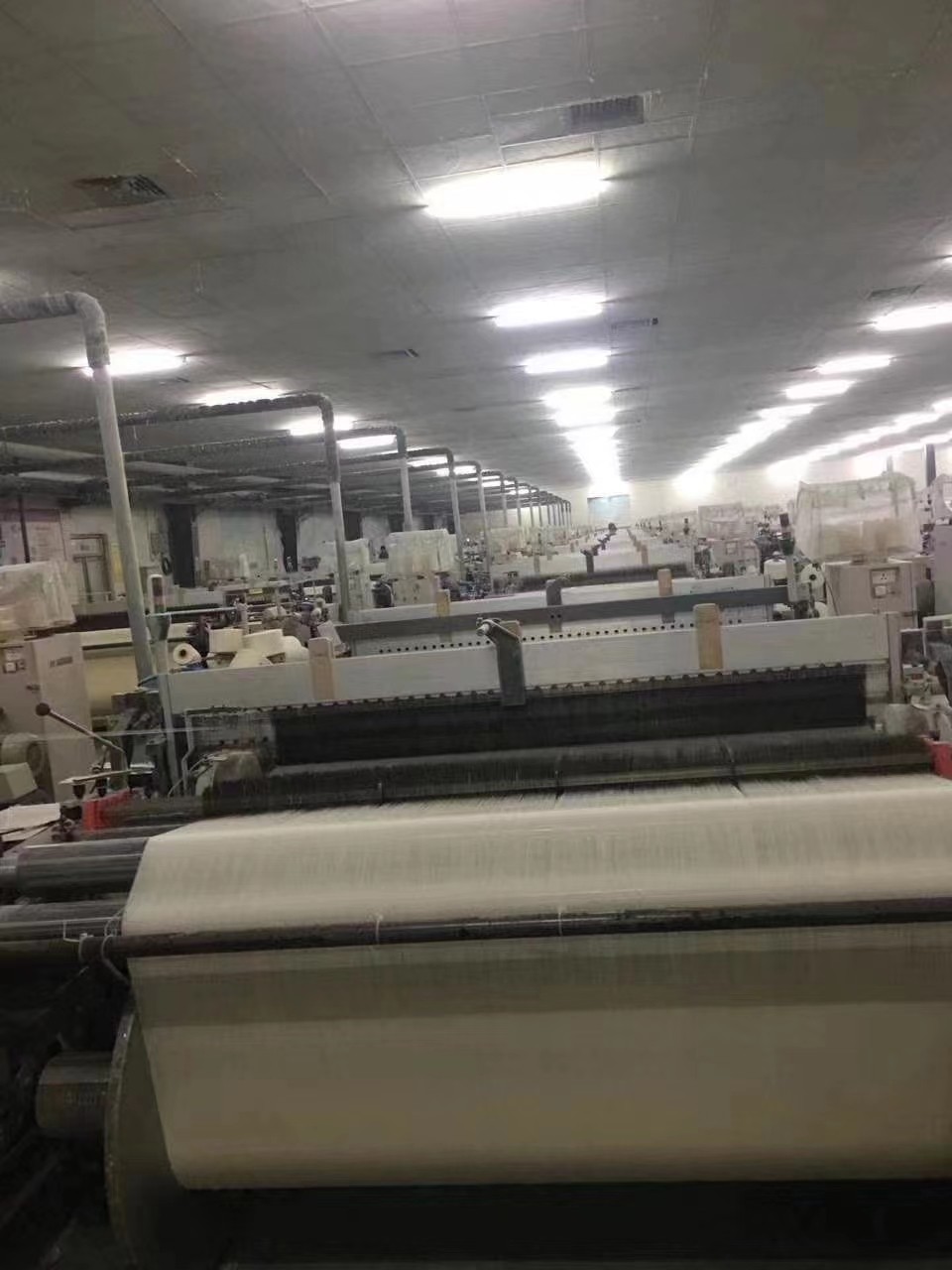
On the loom, warp ends pass through the reed, and mills describe constructions as reed number times ends per dent. Reed 68 with two ends per dent is not the same cloth as reed 68 with three, yet the shorthand gets copied between quotations without its multiplier more often than buyers expect.
Reed conventions also differ between mills — dents per inch, per two inches or per ten centimetres — so the figure travels badly across borders. Write finished ends per inch as the controlling number, keep reed and denting as mill-side detail, and judge the cloth the way our article on usable width, bow and skew judges it: on the finished piece.
Why Twill and Satin Hold a Higher Sett than Plain Weave
Interlacing points cost space. A plain weave crosses every end at every pick, so the yarns lock early and the sett ceiling arrives first. Twills cross half as often and satins less again, so the same denier packs to a higher thread count before the yarns jam against each other.
That is why heavier constructions are usually twills: a plain weave at the same sett would feel stiff and boardy, while the twill keeps drape at a higher cover. Weave and sett ceiling are chosen together, which is the logic set out in our guide to choosing a polyester woven weave.
Cover Factor: From Thread Spacing to a Percentage
Cover factor expresses the same idea as a percentage: how much of the cloth surface is yarn rather than air. For polyester filament, yarn diameter is roughly 0.013 times the square root of the denier in millimetres, so a 75 denier yarn measures about 0.11 millimetres across.
Warp cover is ends per centimetre times that diameter in centimetres, weft cover likewise, and total areal cover is one minus the two gaps multiplied together. A 210T taffeta in 75 denier works out near 72 per cent, and the 380T construction in the table above reaches the high eighties.
What Cover Does to Hand, Air and Down
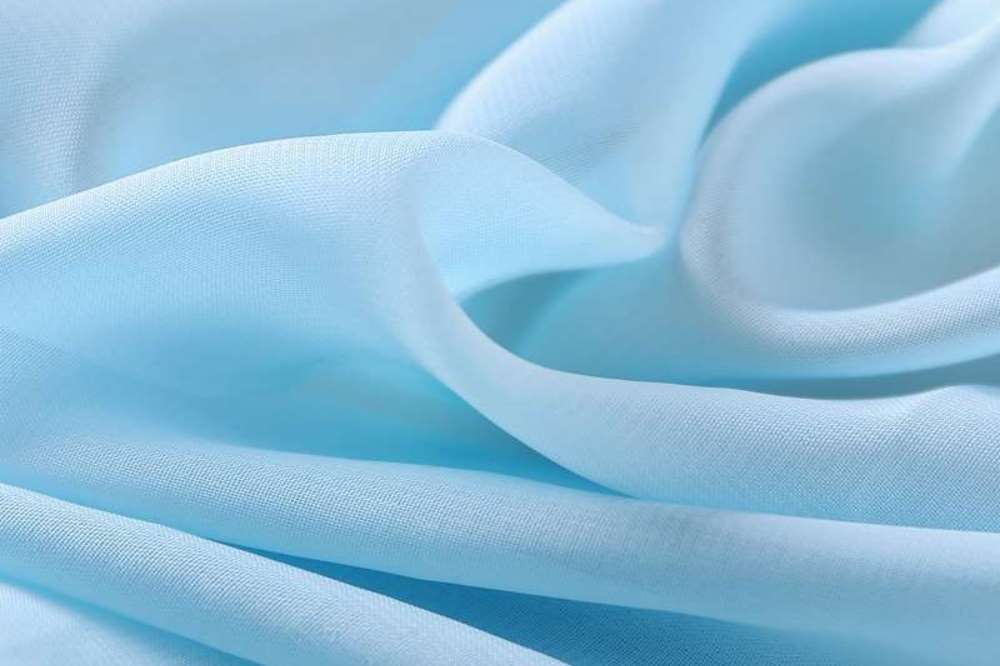
Cover is where the numbers meet the hand. Low-cover cloths are soft, drapey and permeable — the open, airy structure of a fine chiffon. High-cover cloths turn crisp and wind-resistant, and they take a calendered face well because the yarns already present a flat, even surface.
Down containment sits at the top of that scale, and geometry alone does not close it. Even a high-sett cloth leaks through needle punctures and residual interstices, which is why down-proof programmes add calendering, coating or lamination on top of a dense base cloth, along the routes in our guides to hand-feel finishes and coating types.
Greige and Finished Density Are Not the Same Number
Density changes in finishing. Heat setting, washing and stretching reset both width and length, and shrinkage in one direction raises the thread count in the other. A cloth set at 118 ends per inch greige can finish at a different figure, and both numbers can be true at the same time.
This is why the controlling figures belong on the finished cloth: finished ends and picks per inch, finished width and finished weight, with reed and greige detail left to the mill. The same sequence runs through our walkthrough of how polyester woven fabric is dyed and set.
Reading a Quotation That Only Says 300T
A quotation that carries only a T number hides every variable that matters. Before comparing prices, ask for the split, the yarn in each direction, and whether the figure was counted on greige or finished cloth. Two mills quoting 300T can be offering fabrics that differ by a full denier and ten grams.
The same discipline applies to T-plus-denier shorthand such as 300T with 50D, which still leaves the split open. None of these questions are adversarial; mills answer them daily, and a buyer who asks them gets sampled against the right cloth the first time.
Writing the Construction Clause
A construction clause that survives sampling and bulk reads like this:
- Yarn: warp and weft denier and filament count written separately, for example 75D/72F, never one figure covering both directions.
- Sett: finished ends and picks per inch, each with a tolerance, stated on the finished cloth.
- Weave: named, with float length noted where it affects the sett ceiling.
- Reed and denting: mill-side reference, confirmed together with the basis the mill uses.
- Weight: finished grams per square metre with tolerance, checked against the formula rather than quoted instead of it.
- Cover expectation: where down-proofing or wind resistance matters, name the calender or coating route rather than density alone.
- Verification: sett, weight and cover checked at inspection on the agreed basis, before bulk release.
Frequently Asked Questions
Is a higher thread count always the better fabric?
No. Higher T at the same denier means firmer, crisper and usually costlier, and the right sett depends on the end use. A lining wants drape and low cover; a down-proof shell wants the top of the scale. Compare cover and weight together rather than crowning the biggest number.
How do we convert a target weight into ends and picks?
Run the formula backwards: fix the denier that suits the hand and the price, then solve for the sett. The result is a starting point, not an answer, because crimp is confirmed on the loom. Expect the first sample to move the figure, and spec from the finished cloth it produces.
Why does bulk cloth differ from the calculated weight?
Three add-ons sit between the formula and the invoice: crimp, finishing shrinkage and finish add-on. A coating alone can add tens of grams per square metre, and heat setting shifts both density and width. This is why weight is specified and accepted on a finished basis, confirmed per order.
Does density alone make a fabric down-proof?
It reduces leakage but does not close it. Down clusters migrate through needle punctures and the residual gaps that even a high sett leaves, so down-proof work pairs a dense base cloth with calendering, coating or lamination, and the claim is verified by testing the finished fabric rather than assumed from the sett.
Next Step
Send the construction rather than the headline: warp and weft denier, ends and picks per inch, weave and finished weight. Send the construction, the end use and the target weight and we will check the sett against the formula before sampling. Where a quotation already carries only a T number, send it across and we will read what it hides.