
Greige Inspection vs Finished Inspection: Who Catches Which Defect in Woven Polyester and Nylon
Two inspection points sit on either side of the dyehouse, and most quality disputes start because a buyer assumed the wrong one was watching. Greige inspection runs on undyed cloth at the loom, where construction errors are readable and still cheap to fix. Finished inspection runs after dyeing, finishing and coating, where shade, hand and performance become visible for the first time. Neither stage substitutes for the other, and the purchase specification has to state which stage owns which defect.
Why a Woven Program Needs Two Inspection Points
Undyed greige tells you almost everything about how the cloth was built and almost nothing about how it will look. Dyed and finished cloth tells you the reverse. A program that inspects only once is therefore always guessing about half its risk.
The split is not bureaucratic. It follows from what the human eye can resolve at each stage, and from how much a fault costs when it is finally found. Catching a wrong weave at the loom is a mending job; catching the same wrong weave after finishing is a claim.
What Greige Inspection Owns
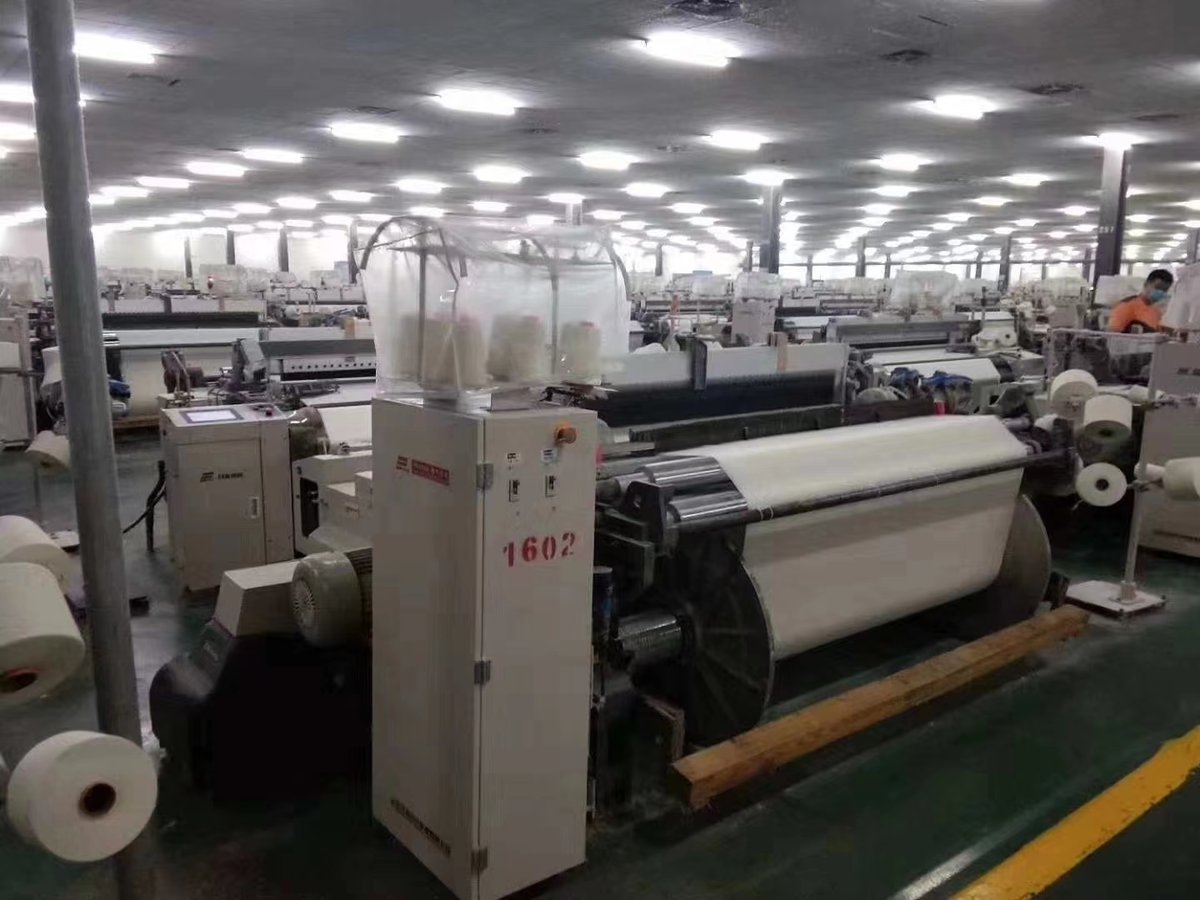
Greige inspection grades construction. Missing ends, double ends, broken picks, floats, misdraws and weave errors are counted and located per roll, because at this stage they are still unambiguous — undyed yarn shows every interlacing decision the loom made.
It also records loom-state measurements: greige width, greige weight, ends and picks against spec, plus warp streaks from uneven tension, reed marks, temple marks, oil and rust stains. The density conversion behind those numbers is set out in the ends and picks article, and the grading discipline in the 4-point system guide.
What Only Finished Inspection Can Judge
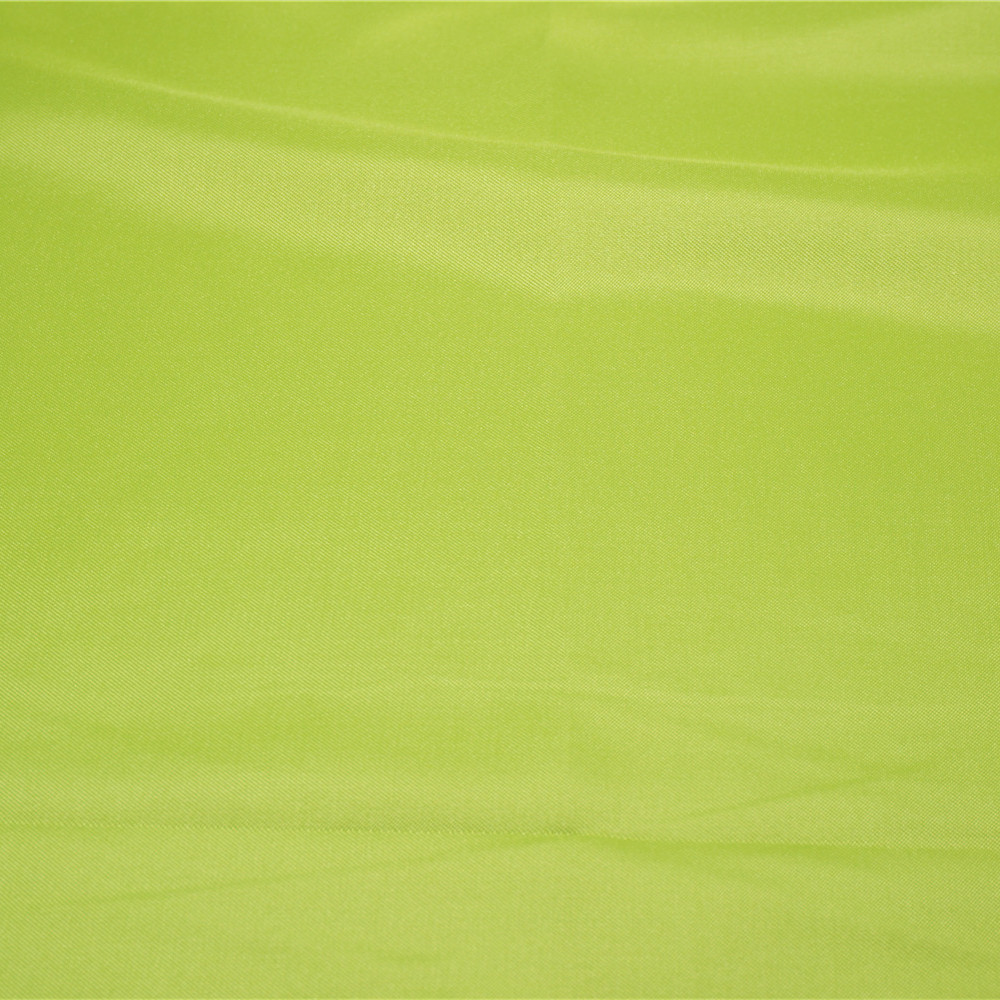
Colour is the obvious one — shade, lot-to-lot drift and the light sources under which a match is judged, all covered in the shade approval guide. Nothing about it can be read on greige, because greige has no colour yet.
Finished inspection also owns everything the wet process creates or reveals: bow and skew after stentering, final usable width, weight shift after shrinkage or add-on, hand feel, print registration, coating continuity, and the surface behaviour of a functional finish. Width and grain control are unpacked in the width and skew article.
The Same Fault Looks Different at Each Stage
A tension streak reads as a faint tonal band on undyed greige and as a hard colour line after dyeing, because dye uptake follows yarn bulk and density. A greige roll can grade clean and still fail finished inspection without anything new going wrong.
Occasionally the reverse happens and a print or a pigment coating hides loom-state marks well enough to pass. Treat that as luck, not as a quality strategy: hiding a fault does not remove it, and the underlying construction stays weakened at the same point.
Greige Inspection vs Finished Inspection, Line by Line
| Dimension | Greige Inspection | Finished Inspection |
|---|---|---|
| Stage | At the loom, before wet processing | After dyeing, finishing and coating |
| Owns | Construction, weave, density, greige width, stains | Shade, bow and skew, final width and weight, hand |
| Cannot judge | Colour, hand, shrinkage, coating, print | Cause — it sees the result, not the loom decision |
| Grading basis | 4-point per 100 linear metres of greige | 4-point per 100 square yards of finished cloth |
| Typical coverage | Sampled by roll lot, not every roll | Roll by roll for apparel programs |
| Repair option | Mending at the loom, re-weaving a section | Re-dye, re-finish, or downgrade |
| Cost of a miss | Mending minutes, no dye cost wasted | Dye cost lost, downgrade claim, cut loss |
| Document | Mill greige sheet, sometimes buyer-visible only | Inspection report with roll list and defect map |
| Who usually attends | Mill quality staff | Mill plus buyer or third-party inspector |
The Cost Ladder Behind the Two Stages
Every defect climbs a cost ladder as it moves downstream. A missing end found at greige is a knot and a note. The same missing end found after dyeing becomes a length downgrade, and if it reaches the cutting table it becomes a marker rework plus a short shipment.
The rungs are worth naming in the specification, because they decide how much inspection is justified: mending at greige, downgrade at finished, replacement or air freight at cut. Freight does not appear on any fabric invoice, yet it is usually the largest single number on that ladder. The cost blocks that carry it are broken down in the quotation cost article.
How Much to Look At
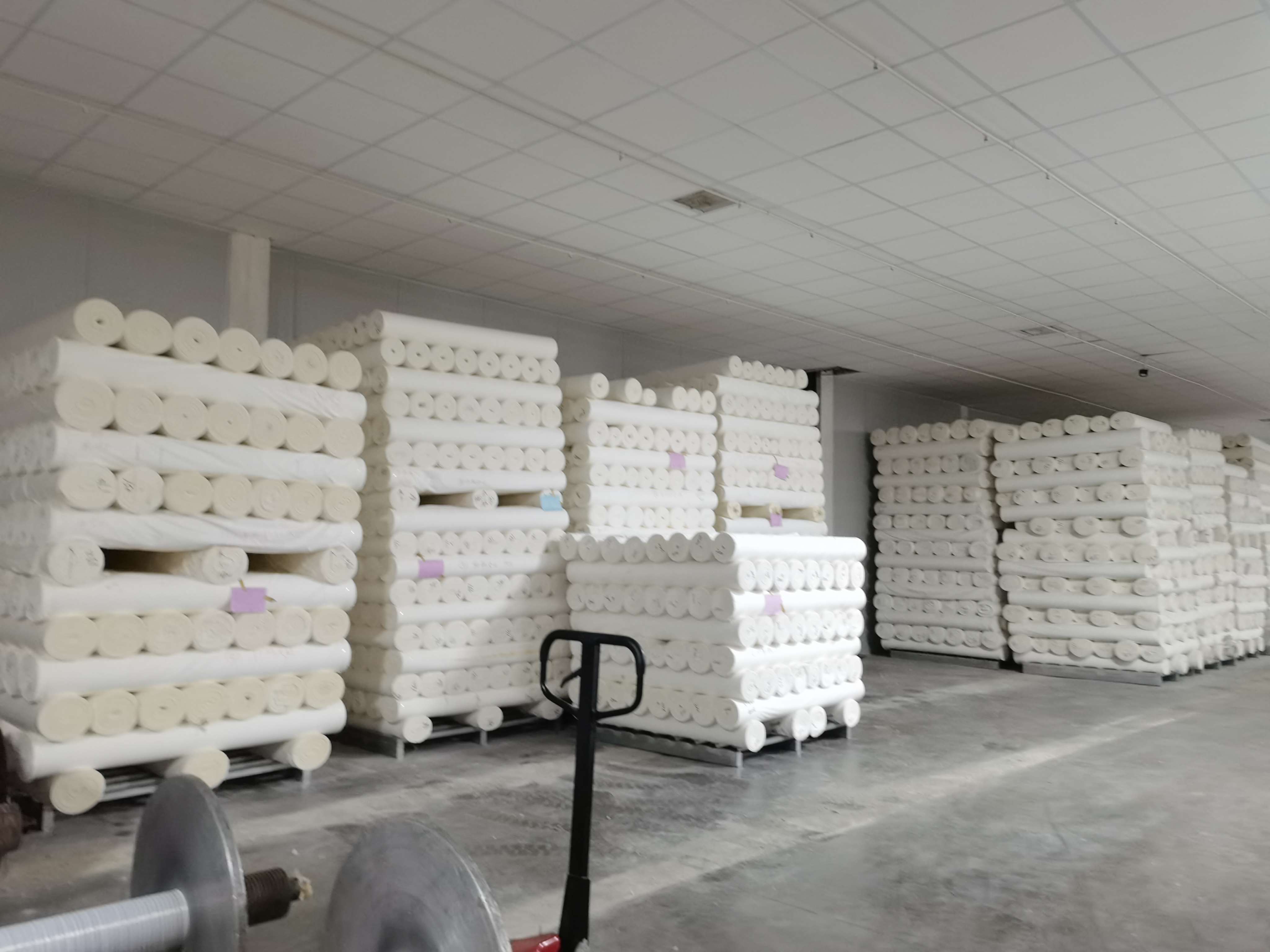
No mill inspects every greige roll at full length; the cloth is often still on the beam. Sampling by lot — the first roll of a warp, then a defined interval — catches loom-wide errors such as misdraws that repeat across the whole run.
Finished inspection is usually rolled out in full for apparel programs. Where sampling is agreed instead, name the standard and the acceptance level in the purchase order rather than leaving it to the mill's own sheet, and state that roll-by-roll grading applies to any claim.
Mending Limits, or the Mending Trap
Heavy mending can push a roll into an acceptable grade while leaving a repaired mark that opens at the cutting table. Cheap fixes are not free: a knot in a fine warp shows in a finished piece even when the defect count looks healthy.
Cap it explicitly — mends per 100 metres, no mend within a set distance of the selvedge, no repair allowed in a stated central band. Then require mended positions to be recorded, so that finished inspection re-checks exactly those points after the dye bath has run.
Who Pays for the Second Look
Third-party inspection is a line item, and the default in most offers is that the buyer carries it. Where the mill's own greige sheet is the only record, the buyer is effectively trusting an internal document with no independent check.
A workable clause makes the fee follow the result: inspection cost is charged back to the mill when the defect rate exceeds the agreed acceptance level, and stays with the buyer when it does not. That single sentence changes behaviour more than any wording about good faith.
Writing the Two-Stage Clause
- Name both stages and the point in the route where each one happens, so nobody replaces one with the other.
- Give greige its own acceptance level — a separate, tighter number from the finished one, since construction errors are cheaper to reject there.
- Fix the grading standard for each stage and the unit it counts in: linear metres of greige against square yards of finished cloth.
- Require a defect map with roll numbers, positions and photographs, not a summary rate.
- Set mending limits and require mended points to be re-checked after dyeing, as in the 4-point grading practice.
- Attach the measurement checks — final width, final weight and bow and skew per the weight guide, taken on the finished roll rather than the greige beam.
- Split re-inspection costs by outcome, and name who attends each stage.
Where the Two Stages Interlock
Greige findings feed the dyehouse schedule. A roll with a heavy stain block should not be dyed in a pale shade, and a construction with dense reed marks should be steered away from a bright print that will amplify them.
Finished findings feed back the other way, into loom settings and warp preparation. That loop is the real value of inspecting twice: the second stage audits the first, and the first stage is where the correction is cheap. Printing constraints sit in the print method comparison, coating and film behaviour in the coating selection guide.
Frequently Asked Questions
Can finished inspection replace greige inspection?
No. Finished inspection can see the result of a construction error but not the cause, and by then the roll has already absorbed dye, finish and freight-side cost. It reports the loss instead of preventing it.
Who normally carries out greige inspection?
The weaving mill's own quality staff, on a sampled basis. Buyers rarely attend, which is exactly why the purchase order should state that greige sheets are shared and what defect classes they must record.
What acceptance level makes sense at greige?
Tighter than finished, because the repair is still local. Many programs set a separate points-per-100-metres figure for greige and a looser points-per-100-square-yards figure for finished cloth, with no carry-over between them.
Does a second inspection stage delay shipment?
Sampled greige inspection adds hours, not days, because it runs alongside normal loom activity. The real schedule risk is discovering a construction problem at finished inspection, where the answer is re-weaving plus a second dye cycle.
Set Both Stages Before the First Roll
Send the construction, the end use and the acceptance levels together and we can quote woven polyester and nylon programs with both inspection stages written into the order — greige grading at the loom, finished grading after dyeing and finishing through long-term partner mills. Start with the inquiry form, and see the polyester and nylon comparison for how the two fibre families split on defect sensitivity. If a previous program failed at the finished stage, say so in your first message to us — working backwards from the failure usually identifies the loom setting that caused it. For end-use context, the outdoor fabric selection and polyester sourcing guide cover what each application tolerates.