
Polyester Woven Fabric Cost Structure: Reading a Quotation Line by Line
Two mills quote the same 210T polyester taffeta, same shade, same width, and the numbers come back twelve per cent apart. Neither price is wrong. The gap sits in what each mill counts as a cost block, and in the commercial lines a quotation sheet quietly leaves off before the total is printed.
Why Two Quotations for the Same Cloth Never Match
The first variable is the yarn, not the cloth. Naming 75D/72F tells you nothing about luster grade, whether the filament is first grade or blended, or which line drew it. Each of those moves the yarn price before the loom is threaded.
The second is the mill's own cost base: loom age and efficiency, energy contract, dyehouse batch size, labour. A mill running full beams on standard constructions carries a different overhead per metre than one set up for short runs. Both can quote; only the breakdown shows why.
The Four Blocks That Make Up a Woven Fabric Price
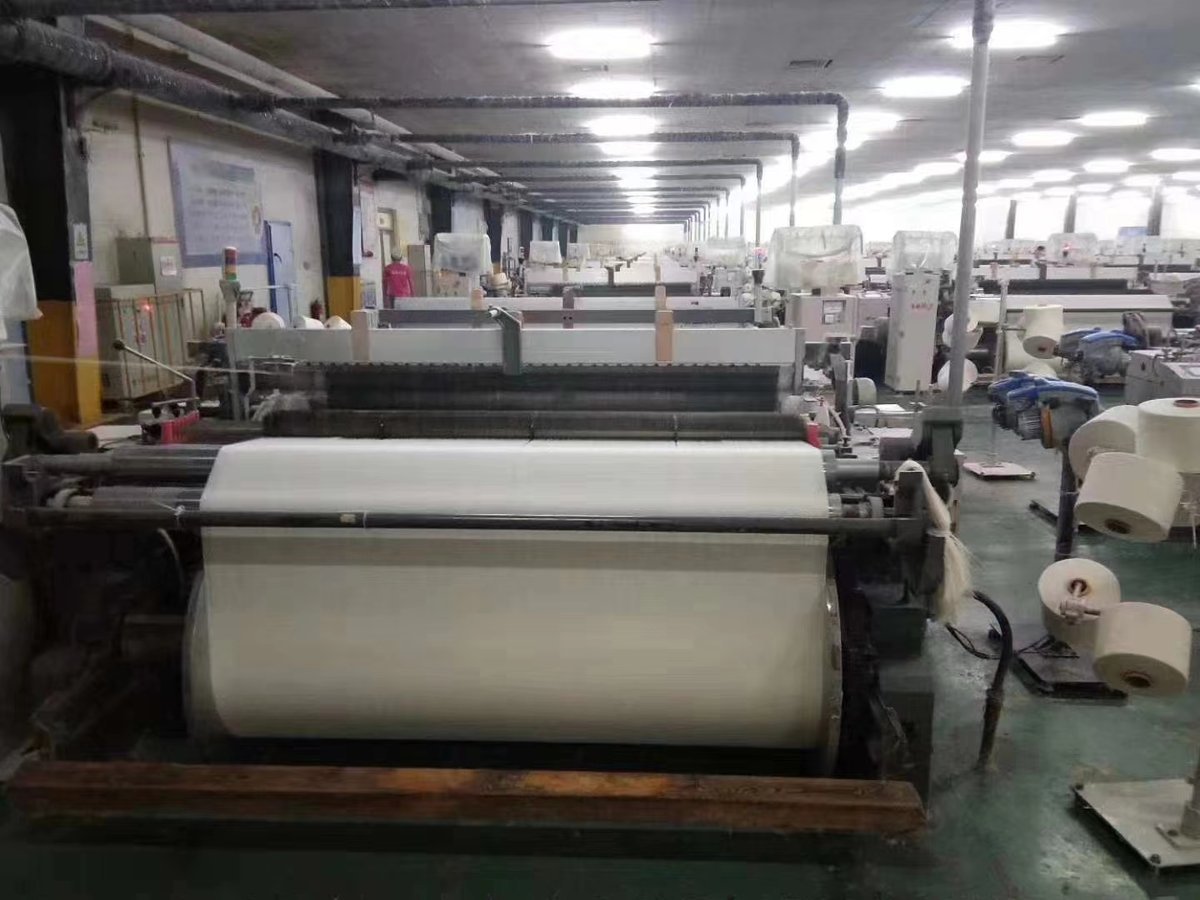
Strip any finished polyester or nylon woven price into its parts and four blocks appear: filament yarn, warp preparation and weaving, dyeing with heat setting, and finishing — coating, printing or a functional add-on. Inspection, packing, freight and margin sit on top.
Which block dominates depends on the route. A plain dyed taffeta is mostly yarn and weaving. A coated oxford or a printed twill pushes the balance into finishing, and the coating add-on is never linear: the same film on a light ground costs more per metre than on a heavy one.
Where the Cost Actually Sits
The ranges below are indicative, drawn from typical programmes rather than one mill's sheet. Read them as a map of where to look first, then confirm the split per order, because construction and finishing move every row.
| Cost block | Indicative share | Main drivers | Lever a buyer holds |
|---|---|---|---|
| Filament yarn | 40 to 55 per cent | Denier, filament count, luster grade, yarn origin | Coarser denier, standard yarn instead of a speciality |
| Warp preparation and weaving | 15 to 25 per cent | Ends and picks, loom efficiency, width, sizing route | Fewer picks, one width carried across the range |
| Dyeing and heat setting | 15 to 25 per cent | Colour depth, dyestuff class, lot size, energy | Fewer colours, larger dye lots |
| Finishing, coating or printing | 5 to 25 per cent | Add-on weight, print method, number of print colours | Drop an unnecessary finish, choose the cheaper print route |
| Inspection, packing, inland freight | 3 to 8 per cent | Roll length, packaging, distance to port | Standard put-up, shipment consolidation |
| Margin and financing | 3 to 10 per cent | Order size, payment terms, currency | Longer lead time, simpler terms |
Read the last column, not the second. The share tells you where the money is; the lever tells you whether you can move it without changing the fabric a buyer already approved.
Per-Kilogram and Per-Meter Are Not the Same Price
A price per kilogram describes yarn and cloth together. A price per metre describes what a cutting room actually consumes. Converting between them is one line: finished GSM, multiplied by width in metres, multiplied by the price per kilogram, divided by one thousand.
Run it twice. A 110 GSM cloth at 150 cm quoted at 3.20 per kilogram lands at 0.528 per metre. A 65 GSM cloth at the same width and the same kilogram price lands at 0.312. Identical headline rate, two very different invoices.
Weight Moves Between Greige and Finished
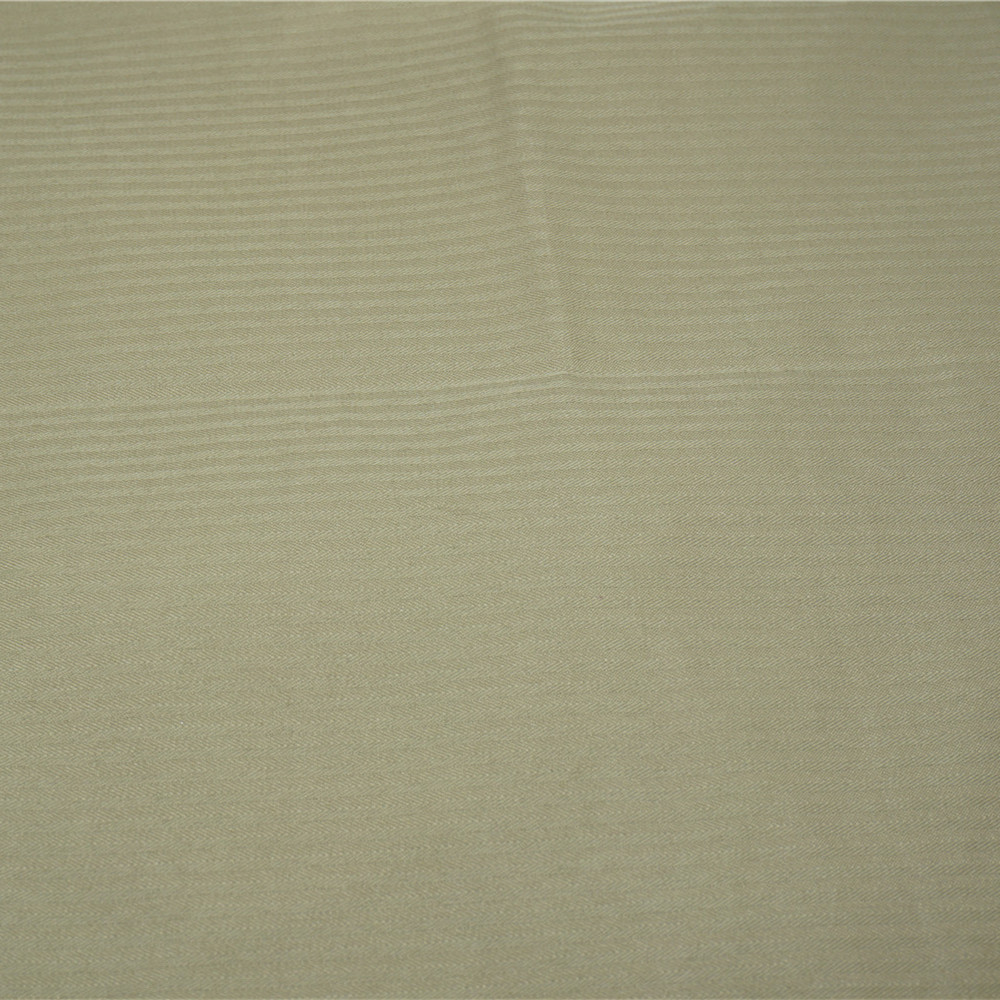
Greige weight is not finished weight. Desizing strips the warp size, alkali weight reduction takes off more, and both shrink the cloth before dyeing. Coating then adds back, so a clear PU at fifteen grams per square metre per side changes the divisor again.
This matters because greige is bought by weight while finished cloth is sold by metre. If the quotation fixes a per-kilogram conversion on greige and a per-metre price on finished, the loss sits between the two lines. Ask which weight each line refers to — our GSM specification guide shows where the tolerance belongs.
Colour Depth Is a Price Line, Not a Detail
A pale shade and a black are the same cloth with different dye bills. Depth drives dyestuff quantity, cycle time and reduction clearing, and dark shades take more submissions before bulk. On a deep black, the dyeing block carries a visibly larger share of the finished price.
Quotations that price one colour for a whole range hide this. Write the depth band — light, medium, dark — into the enquiry and expect the price to move with it. Tolerance and observation conditions belong in the same clause, as our guide to shade variation and colour approval sets out.
What the Quotation Sheet Leaves Out
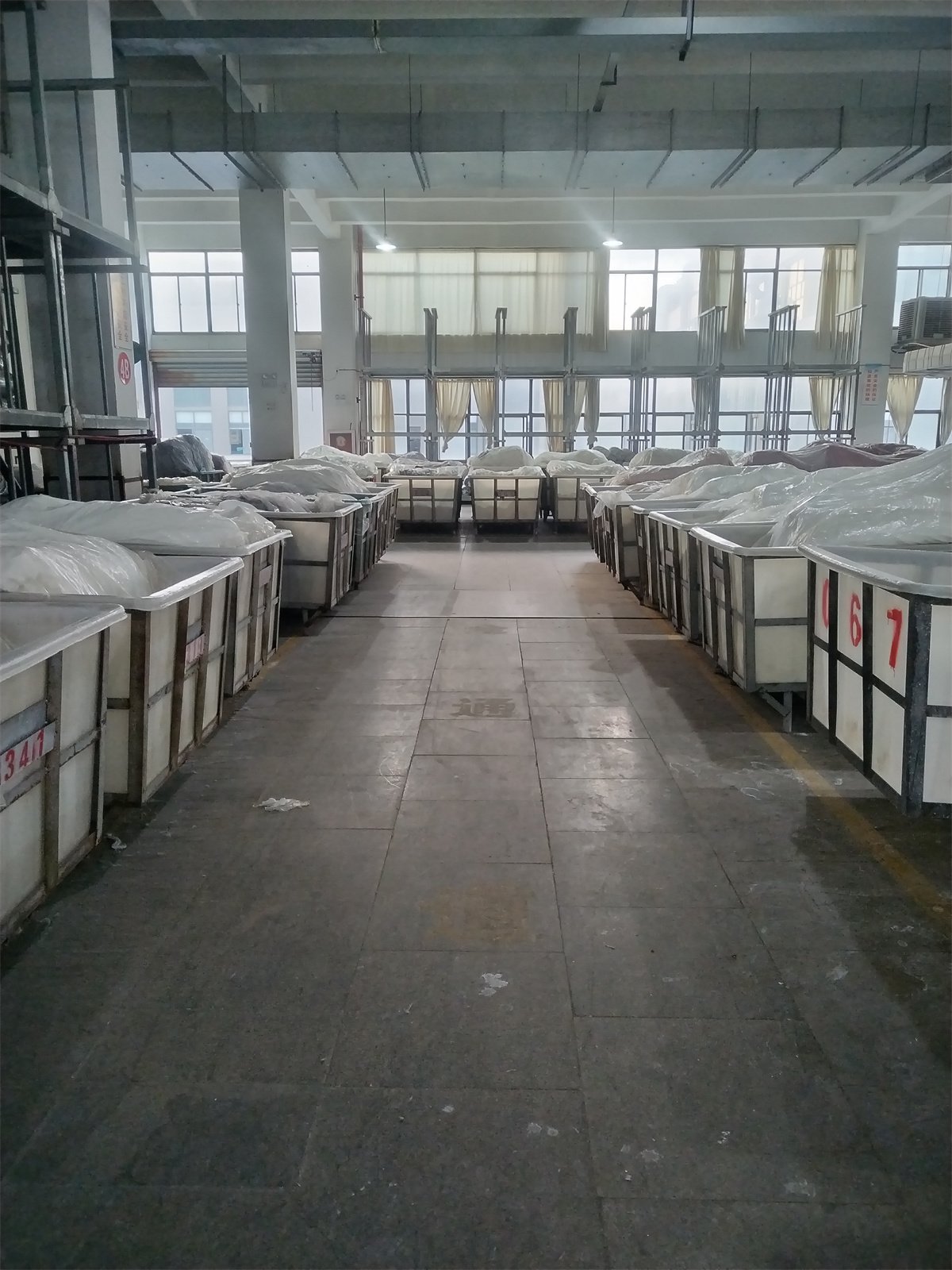
Four lines are routinely absent: sampling and lab dip charges, the per-colour minimum that decides whether a 300 metre order prices as a bulk lot, the inspection standard the price assumes, and packaging — roll length, tube, polybag, carton.
Then freight terms. An FOB price and a delivered price are not comparable, and neither is a quotation with no port named. Where a number looks low, the missing line is usually one of these. Our note on roll length and put-up shows how much packaging can absorb.
Lead Time and Terms Carry Cost Too
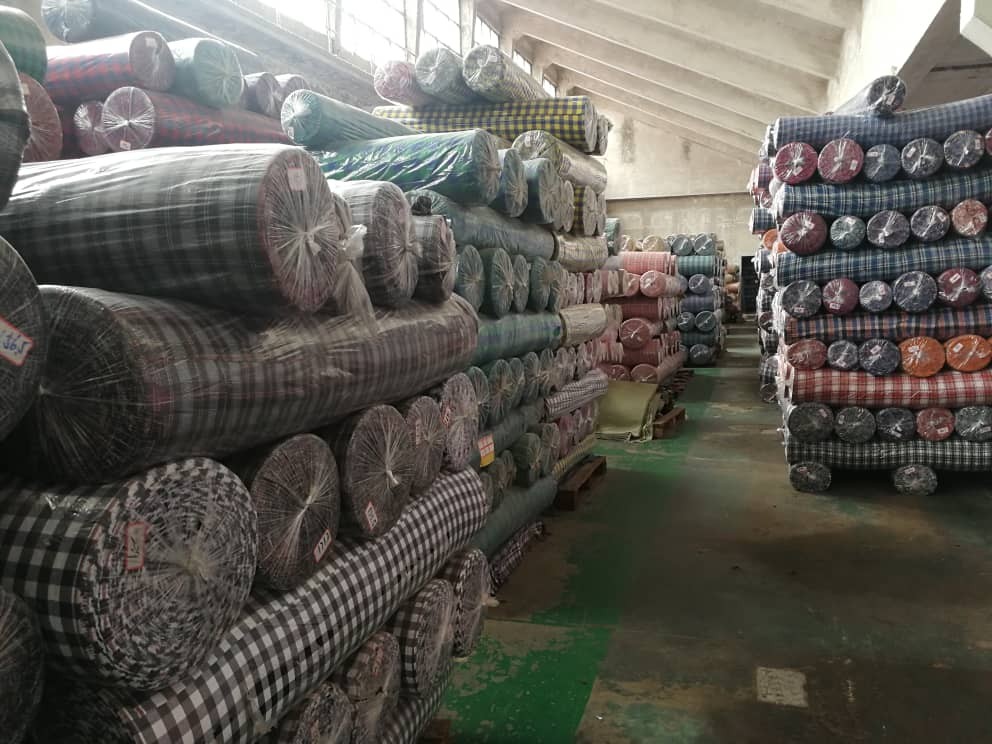
A short lead time is bought with air freight, split dye lots or premium loom slots, and each appears somewhere in the price. A standard cycle lets the mill group your shade with similar lots and load a full beam, which runs cheaper than a hundred-metre exception.
Payment terms carry the same logic. A letter of credit at sight, an open account at sixty days and a deposit balance split all price differently once financing is counted. Two quotations identical on unit price can differ by several per cent on terms alone.
Signals That a Price Is About to Move
Polyester prices track purified terephthalic acid and monoethylene glycol; nylon tracks caprolactam. Those feedstock cycles reach the yarn price within weeks. Energy contracts, dye intermediate costs and seasonal power restrictions then move the dyehouse side independently of yarn.
None of that is forecastable from a quotation. What a buyer can do is note the validity window on the sheet, ask whether the yarn was already secured, and keep the specification stable so a re-quote differs only in price. Re-specifying and re-pricing at once makes the movement impossible to read.
Seven Lines to Demand on Every Quotation
A quotation that can be compared line by line contains these seven items. Where one is missing, the comparison to the next mill is not a comparison.
- Construction: weave, warp and weft denier with filament count, finished ends and picks, written in the terms our ends, picks and denier guide uses.
- Weight and width: finished GSM with tolerance, cuttable width, and whether each value is greige or finished.
- Colour: depth band, shade standard, tolerance, and the minimum quantity per colour.
- Finishing: every add-on named with its target pickup in grams per square metre.
- Inspection: grading system and maximum points accepted per hundred square yards, as set out in our defect grading guide.
- Commercials: price basis, incoterm and port, payment terms, currency and validity.
- Split: greige price and conversion charge shown as separate lines rather than one blended figure.
How to Compare Two Quotations Fairly
Normalise before you compare: same finished GSM and tolerance, same cuttable width, same depth band, same inspection level, same incoterm. Then convert both to a cost per metre cut, using the width arithmetic in our guide to usable width and marker efficiency.
Only then does a gap mean something. A quotation cheaper per kilogram and dearer per garment has told you the cloth is heavier than you asked for, or the width narrower than you assumed. Both are specification problems, not price problems — and both are fixable before sampling rather than after bulk.
Frequently Asked Questions
Why is a quotation cheaper per kilogram but dearer per metre?
Because the two prices measure different things. A heavier cloth carries a lower rate per kilogram at the same total cost per metre, and a narrow width spreads the same cloth over fewer garments. Convert both quotations to cost per metre at the finished weight and cuttable width actually specified.
Should I ask for the greige price and the dyeing charge separately?
Yes, wherever the mill will show it. A split exposes which block is moving: when the answer comes back high, you can see whether the yarn rose, the dyehouse changed its rate or the finishing add-on grew. Without the split, every re-quote is a single number you cannot argue with.
How long should a quoted price hold?
Whatever the sheet says, and it should say something. Commodity yarn constructions tend to carry shorter validity than speciality ones, because feedstock cycles reach them faster. Ask for the validity window in writing and confirm it again at order placement.
Does a lower price mean lower quality?
Not automatically, but check what was excluded. Compare inspection standard, GSM and width tolerances, depth band, and whether the greige weight matches what you asked for. Most price gaps that survive normalisation turn out to be specification gaps, and our note on reading a test report shows how to verify the claim.
Next Step
Send the construction, the depth band and the quantity per colour, and ask for a split quotation. Send your specification here and we will quote the yarn, the weaving and the conversion as separate lines, so the next comparison is between fabrics rather than between totals. If you already hold two quotations that will not reconcile, send both and we will normalise them against one specification.